
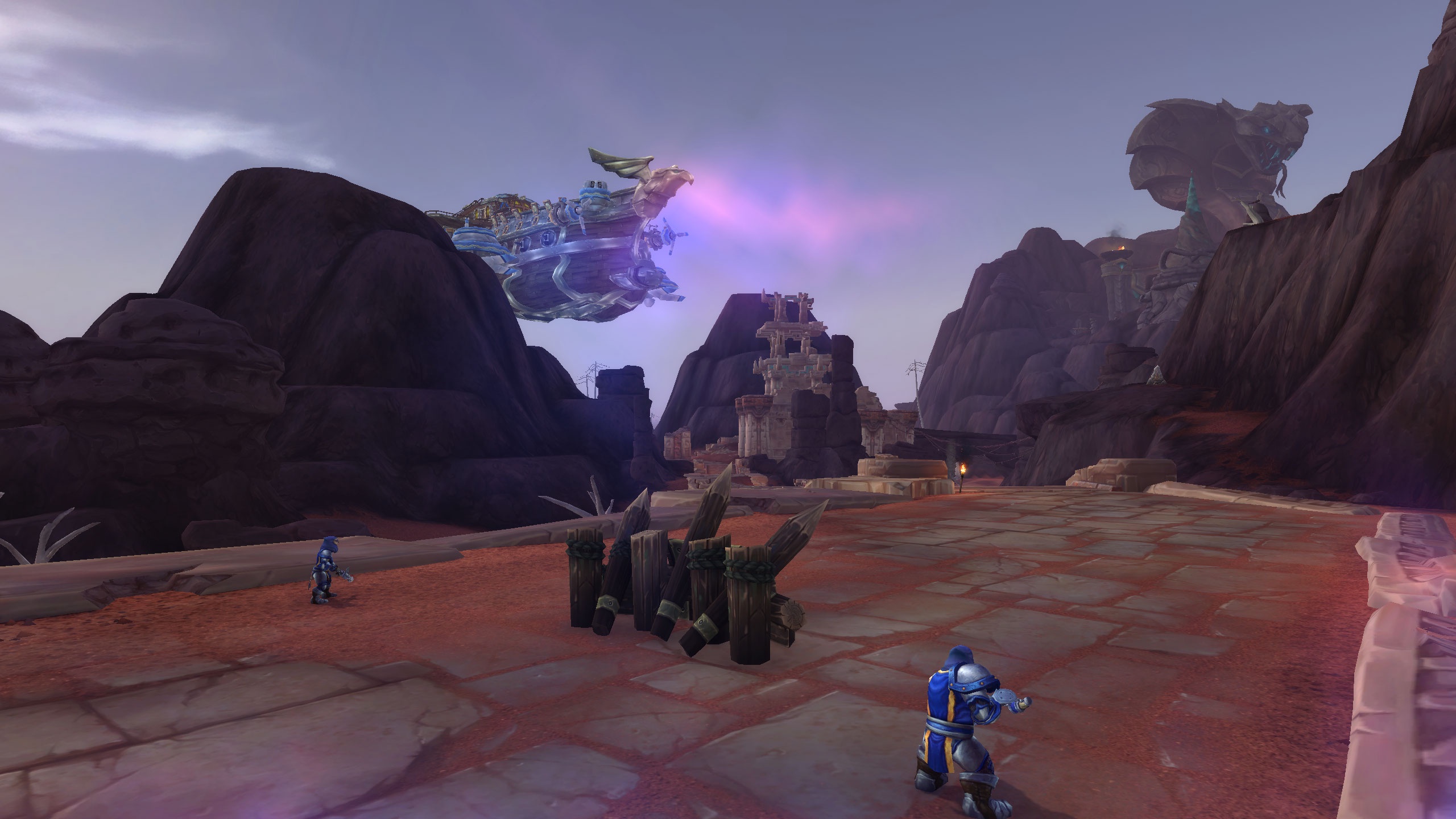
Since the launch of World of Warcraft, player-versus-player (PvP) combat has undergone numerous changes, shaping the way battles play out in arenas, battlegrounds, and open-world skirmishes. Each expansion has brought new class balance adjustments, stat changes, and shifting playstyles that have defined different PvP eras.
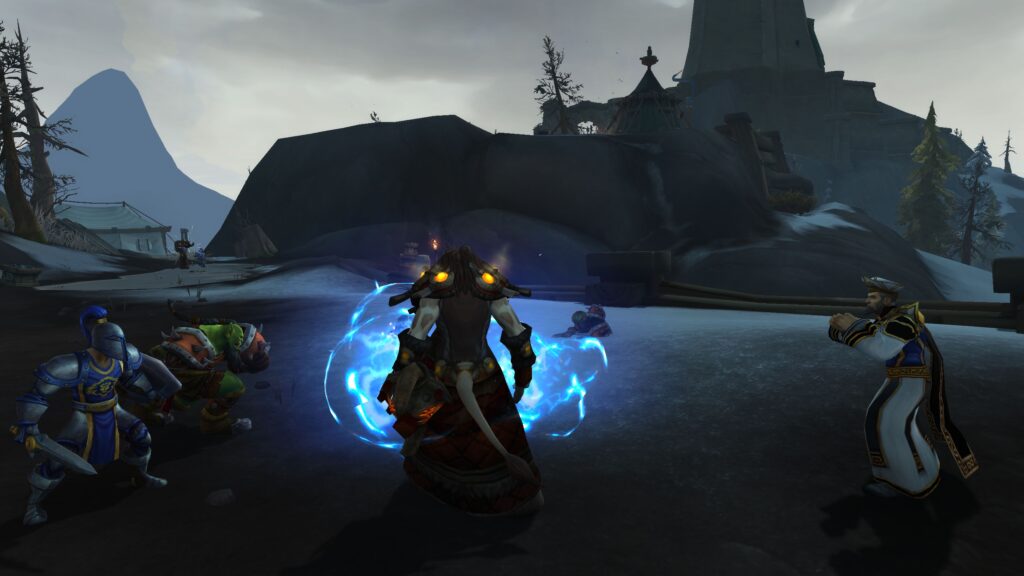
As Blizzard has continued to refine game mechanics, the PvP meta has evolved dramatically. From the burst-heavy battles of classic WoW to the fast-paced, cooldown-driven fights of modern expansions, understanding these shifts offers insight into how WoW’s competitive scene has changed over time.
Vanilla WoW: The Age of Gear and Stamina Battles
In the early days of WoW, PvP was a battle of endurance. Fights lasted longer due to lower damage scaling and the absence of modern cooldown-based abilities. Classes relied heavily on auto-attacks and basic spells, and matches often came down to resource management rather than raw burst damage.
Gear played a massive role in determining PvP success, as higher item-level players could dominate those with inferior equipment. The introduction of the Honor System meant that the most dedicated players who could grind for hours would gain access to some of the most powerful PvP gear in the game.
The Burning Crusade: The Birth of Arenas and Resilience
The introduction of the arena system in The Burning Crusade marked a turning point in PvP. Unlike battlegrounds, which had larger-scale engagements, arenas created a structured environment where players could refine their strategies and compete for rewards.
Blizzard also introduced Resilience, a stat that reduced incoming damage from other players. This significantly altered the PvP meta by making fights more tactical and less about sheer gear advantage. Crowd control (CC) became a defining feature of competitive play, with teams relying on coordinated CC chains to take down opponents.
Wrath of the Lich King: Burst Damage and Death Knights Domination
Wrath of the Lich King saw a major shift toward high-burst damage. New class mechanics, such as instant-cast spells and offensive cooldowns, made matches faster-paced and more lethal. Death Knights, introduced as the first hero class, became infamous for their overwhelming damage and self-healing.
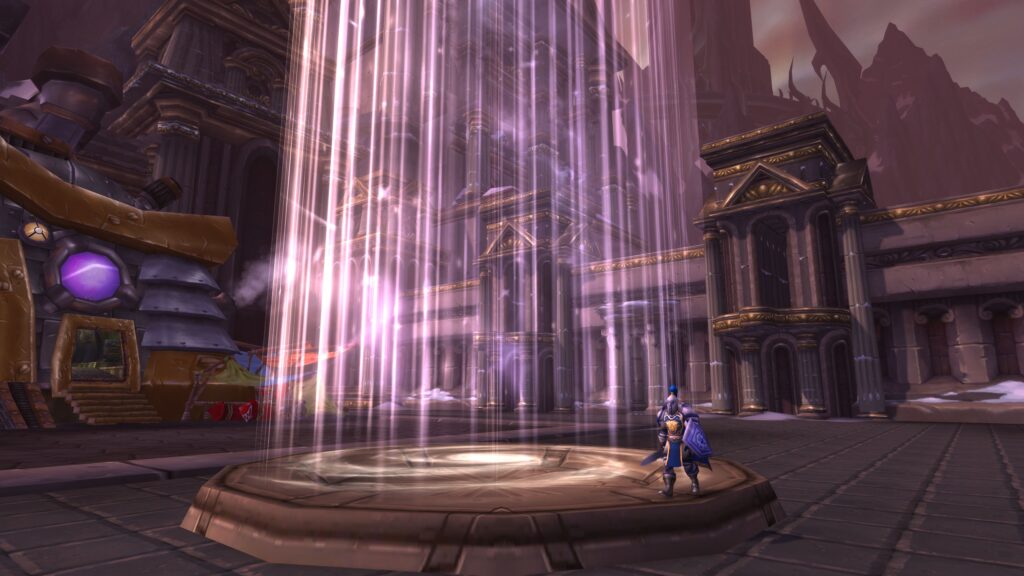
Arena compositions often revolved around setting up kills within a short time window, and CC coordination remained a vital component of success. The resilience stat continued to be a balancing factor, but Blizzard had to adjust its effectiveness throughout the expansion to prevent fights from ending too quickly.
Cataclysm and Mists of Pandaria: Mobility and Cooldown Wars
As WoW’s class design evolved, mobility became an increasingly dominant factor in PvP. Cataclysm introduced new movement abilities for multiple classes, making kiting and gap-closing a much bigger part of engagements.
By the time Mists of Pandaria arrived, PvP had become centered around cooldown usage. Every class had multiple defensive and offensive cooldowns, meaning fights often revolved around who could manage their abilities most effectively. Classes like Monks added new levels of agility to PvP, while hybrid classes gained increased healing and survivability.
Warlords of Draenor and Legion: Dampening and PvP Templates
Warlords of Draenor introduced the Dampening mechanic in arenas, which gradually reduced healing effectiveness to prevent excessively long matches. This change encouraged more aggressive play and ensured that games wouldn’t last indefinitely.

Legion introduced PvP Templates, standardizing stats in PvP situations to reduce the impact of gear. While this made PvP more balanced, it also removed some of the incentive to farm gear specifically for PvP, which divided player opinion.
Battle for Azeroth and Shadowlands: PvP Scaling and Corruption Chaos
Blizzard experimented with new PvP balancing mechanisms in Battle for Azeroth, introducing PvP scaling, which attempted to normalize damage output based on player item levels. However, this system was controversial, as it sometimes allowed lower-geared players to deal surprisingly high damage to higher-geared opponents.
The corruption system further complicated PvP, as overpowered corruption effects created wildly unpredictable fights. Players who stacked the right effects could delete opponents in seconds, leading to one of the most chaotic PvP metas in WoW’s history.
Dragonflight and the Future of PvP
With the release of Dragonflight, Blizzard has focused on making PvP progression more accessible while refining the balance between burst damage and survivability. The return of honor and conquest vendors, along with gear scaling, has created a system that encourages participation without making gear farming feel like a mandatory grind.

One of the most significant changes has been the introduction of Solo Shuffle, a mode that allows players to queue for ranked PvP without needing a pre-made team. This has made competitive PvP more accessible than ever, allowing casual and solo players to experience high-level play without the barrier of finding teammates.
Conclusion: The Evolution of WoW’s PvP Meta
Over the years, WoW’s PvP meta has evolved from slow, gear-dependent battles to fast-paced, cooldown-driven encounters. Each expansion has introduced mechanics that have shaped how players engage with PvP, from resilience and arena teams to scaling and dampening.
With Blizzard continuing to refine PvP balancing and accessibility, the future of WoW’s competitive scene looks promising. Whether players prefer structured arena fights or large-scale battleground skirmishes, PvP in WoW remains one of the most dynamic aspects of the game, ensuring that every expansion brings new challenges and new opportunities for mastery.
Home

Leave a Reply