

A great dungeon in World of Warcraft is a masterclass in spatial design. It guides players through a sequence of challenges while ensuring that the momentum never drops. Good layout is not just about connecting rooms; it is about managing the player’s energy, providing moments of rest, and balancing combat encounters with navigation. This guide examines the anatomy of an effective dungeon layout, breaking down how designers use flow and pacing to ensure that players stay engaged from the first mob to the final boss.
Managing the Flow of Combat
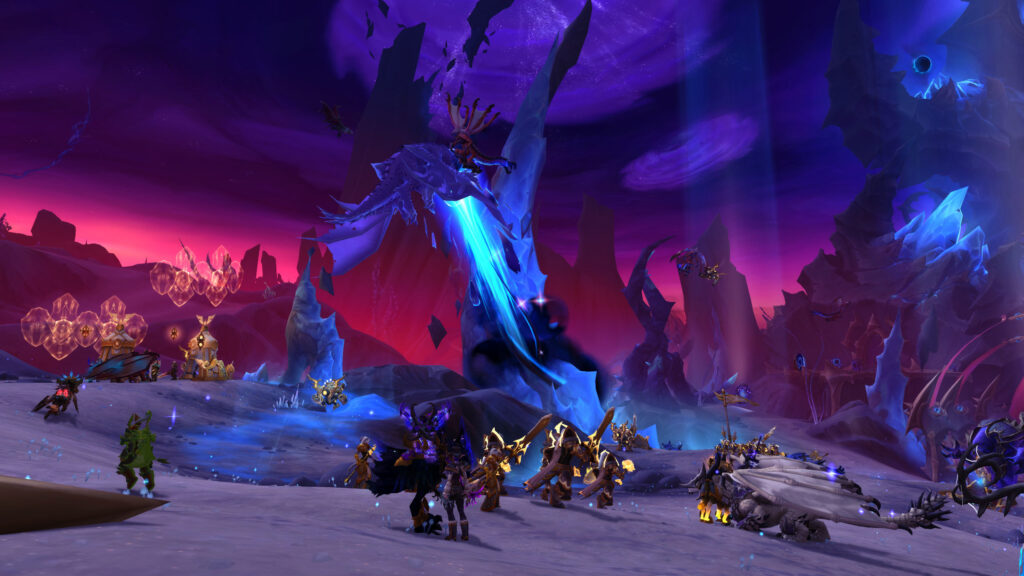
Flow is the most important element of dungeon design. It refers to the physical transition between combat encounters. A well-designed dungeon has a natural rhythm: a small group of enemies, then a brief path of exploration, followed by a major boss. This spacing is vital because it gives the group time to manage their cooldowns and adjust their strategy. If combat is too constant, the group becomes exhausted and prone to mistakes. If combat is too infrequent, the sense of danger evaporates. By controlling the frequency of encounters, designers keep the group at the right level of focus.
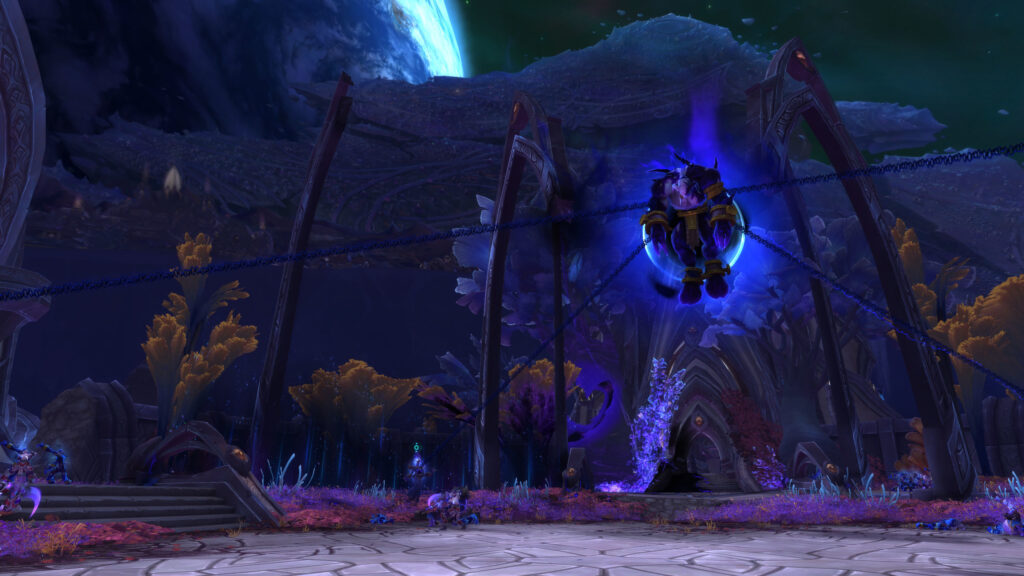
Layout density also dictates memory. Players remember dungeons that feature distinct, memorable segments. If every area of a dungeon looks the same, the player loses their sense of direction and, more importantly, their sense of progress. By creating unique “zones” within the dungeon—like a barracks, a ritual chamber, and a garden—designers give players mental markers of how close they are to the end. This spatial variety prevents the dungeon from becoming a slog and makes the navigation feel like a meaningful journey.
Strategic Pacing Principles
| Pacing Tool | Strategic Purpose |
|---|---|
| Rhythmic Encounters | Ensures groups do not burn out too fast. |
| Spatial Markers | Helps players keep track of progress. |
| Branching Paths | Adds agency and mastery for experienced players. |
| Visual Anchors | Prevents confusion and maintains focus. |
The Importance of Shortcuts
Great dungeon layouts often reward mastery with shortcuts. Opening a door or clearing a route that connects the final area back to the start is incredibly satisfying. It signals to the player that they have conquered the space. Shortcuts also improve the experience for subsequent runs, as they reduce the time spent on empty travel. This reward for completion is a subtle touch that shows the designers have accounted for the player’s need for efficiency, making the dungeon feel like a location that actually functions in the world.
Refining the Experience
Successful dungeon design is a cycle of refinement. It requires balancing the need for challenge with the need for comfort. By studying how players move through these spaces, developers can continuously improve the experience, ensuring that every dungeon contributes to the high standard of quality that players expect from Azeroth. A layout that respects the player’s time and provides a steady, exciting flow will always stand the test of time.

Leave a Reply