
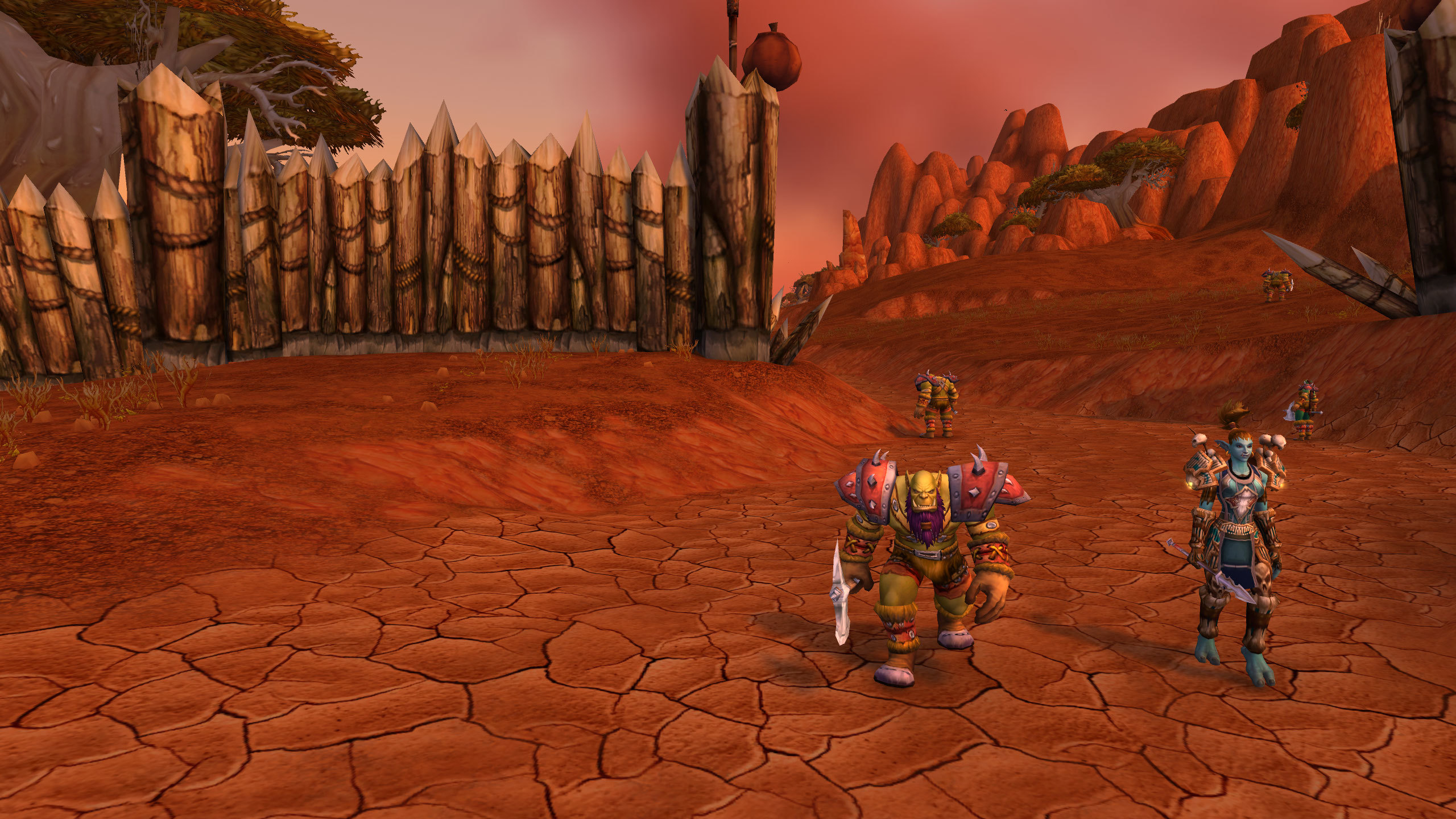
Beyond raids and loot, World of Warcraft’s true strength has always been its people. Guilds, friendships, rivalries, and random connections form the lifeblood that keeps Azeroth alive. The game’s social fabric turns virtual achievements into shared memories, proving that even after decades, its greatest adventures are rarely solo.
This article explores how community interaction shapes WoW’s identity—and why the game endures because of the bonds players create.
Guilds: The Heart of Cooperation
Since launch, guilds have been the backbone of WoW’s community. They transform strangers into teammates, leaders, and lifelong friends. Every guild has its culture—some competitive, others casual—but all share the same goal: progress together. From raid preparation to guild events, these groups have written countless stories of camaraderie, drama, and triumph.
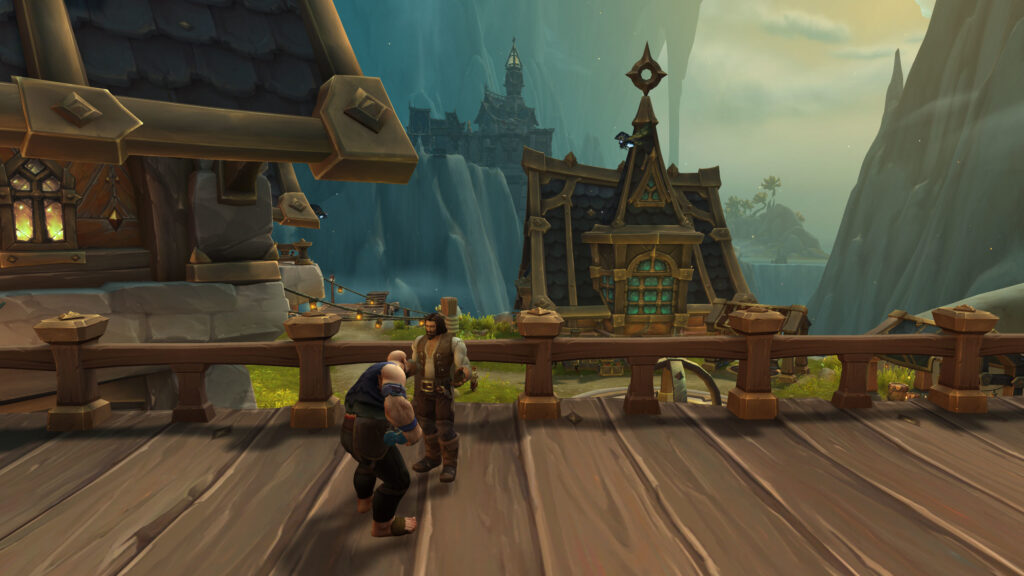
Guilds are more than social circles; they are institutions that carry history, pride, and shared purpose across expansions.
Friendships Forged Through Battle
Some friendships in Azeroth outlast even the game’s expansions. Players who once met during dungeon runs have stayed in touch for decades, turning fleeting in-game encounters into real-world bonds. The shared victories and frustrations of WoW’s challenges create trust and loyalty that few other games can replicate.
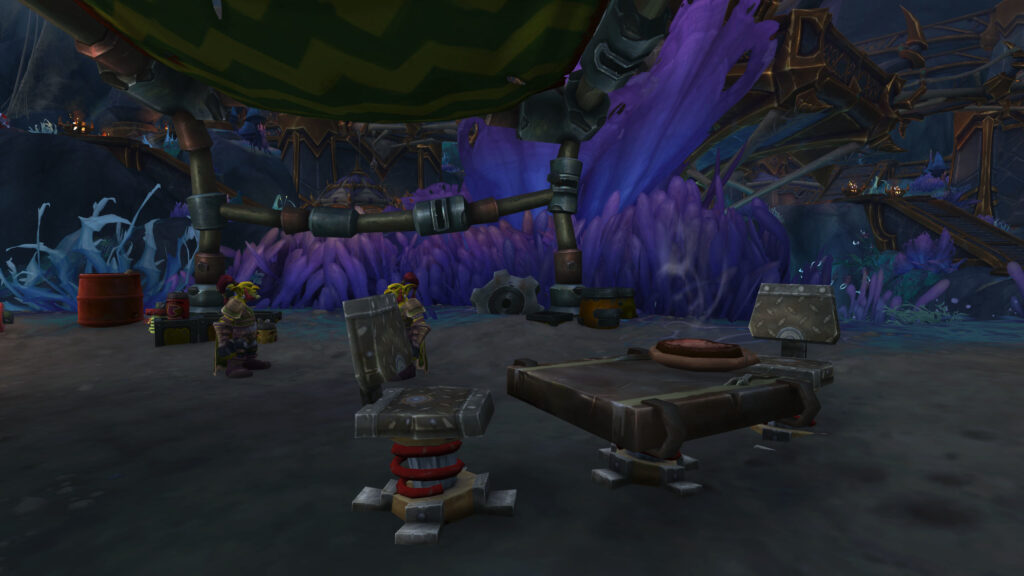
Even the smallest gestures—a rez after a wipe, a crafted potion, or a saved pull—build connections that ripple through time.
Rivalries and Competition: The Fire That Fuels Motivation
Where there are guilds and friendships, there are also rivalries. Competing for realm-first kills, arena rankings, or auction house dominance brings energy and excitement to the game’s social ecosystem. Rivalries push players to improve, strategize, and sometimes even collaborate across faction lines. They’re a reminder that progress means more when it’s shared—or contested.
From friendly taunts in trade chat to legendary guild showdowns, rivalry is the spark that keeps WoW’s community vibrant and alive.
- Raid Rivalries: Competing guilds race for world-first clears and server prestige.
- Arena Clashes: PvP teams battle for seasonal titles and honor.
- Economic Wars: Auction House tycoons manipulate markets and monopolize resources.
- Faction Feuds: Classic Horde vs. Alliance competition thrives in world PvP events.
Communication and Modern Connectivity
Over time, Blizzard expanded social tools to match evolving player needs. Cross-realm grouping, Battle.net integration, and cross-faction guilds have broken old barriers, allowing players to connect more freely than ever before. These systems keep friendships intact even as servers merge and communities evolve.
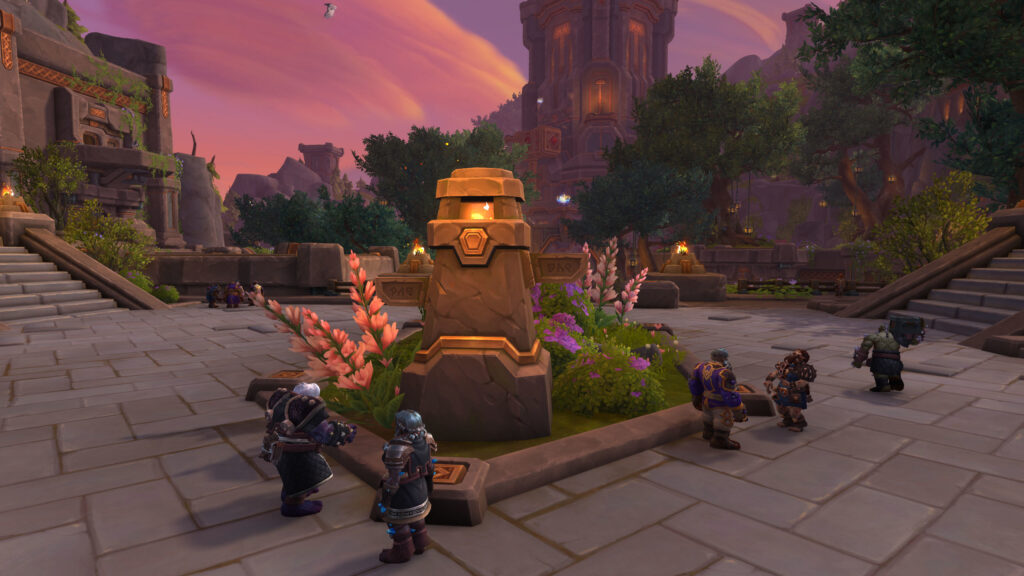
Today, Azeroth is less about isolated realms and more about shared experiences across a global network of players bound by nostalgia and passion.
The Emotional Legacy of Community
Every player carries memories of laughter, loss, and unity within their guilds. Stories of marriages sparked through dungeon runs, memorials for fallen friends, or guilds reuniting after years apart define the emotional weight of WoW’s community. The game may be built on code, but its heart beats through human connection.
The War Within continues this legacy by emphasizing shared achievements and cross-character progress through Warbands—keeping relationships and collaboration central to the experience.
Conclusion
World of Warcraft’s social side is its most enduring feature. Guilds, friendships, and rivalries turn pixels into memories and strangers into lifelong allies. Every dungeon, raid, or event becomes more meaningful because of the people who share it. Long after the final boss falls, it’s the laughter, teamwork, and bonds that players remember most.
As Azeroth moves into a new era, its future remains bright—because its community is eternal.

Leave a Reply